










































Action Fone for Life, Talk Life On the Go
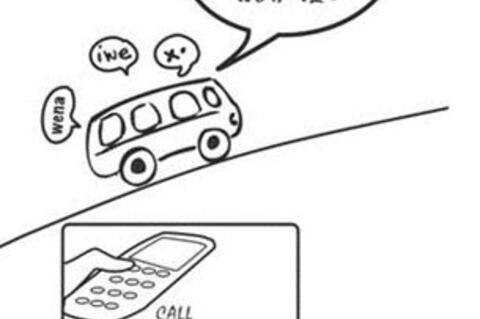
To implement the programme, Action IEHDC partnered with three commuter transport companies in Harare, the capital city which had a combined fleet of 22 kombis and a consortium of transport operators in Bulawayo, the second largest city which had 30 kombis. The PSAs were 90 second short dramas in Shona and Ndebele that covered a range of issues such as multiple and concurrent sexual partnerships, gender, culture, and communication in relationships. Transporters played the PSAs recorded on USB flashes in their vehicles in order to encourage discussions amongst commuters. People were also able to call and/or send messages/comments via their own mobile phones through an SMS platform after listening to the dramas. The SMS platform would allow the project to respond to people's questions and comments. This was also used as a way of getting feedback from the community especially from those who have handsets that do not access the internet.
The project also involved a second component where people could call in to listen to the PSAs. They had to follow prompts to select what to listen to and were also able to leave audio comments after listening. This platform was charged at normal mobile rates.
Kombis participating in the programme had posters and stickers advertising the SMS line and the line with the PSAs on the outside and inside of the kombis. The kombi driver and conductor also had T-shirts and caps that they wore during the programme.
Action IEHDC conducted one day training workshops for company owners, drivers, conductors, and rank marshals to strengthen their capacity in understanding issues raised in the PSAs and in conducting group discussions in the kombis. To kick start the programme in both areas, Action IEHDC launched the Action Fone for Life at popular commuter omnibus ranks in Harare and Bulawayo. The objective of the launch was to publicise the programme and to get stakeholder buy-in into the programme.
Focus group discussions (FGDs), observations, and SMS feedback from the target groups in commuter omnibuses were used as data collection tools. Monitoring tools, including a discussion guide and a register were developed for the drivers and conductors while student interns on attachment used a feedback form on which they recorded issues that came out in the discussions. The interns also responded to voice recording feedback and the SMS platform.
HIV and Gender
In terms of the impact the Action Fone for Life programme, Action IEHDC reports that it reached over 15,000 commuters during the three months when it was piloted. Feedback from the audience reception research conducted at the end of the pilot programme showed that commuters widely accepted the messages and that the programme gave people an opportunity to discuss "sensitive issues". In addition, Kombi drivers and conductors, who are often viewed as misfits, were now viewed as people who can send positive messages and educate, which in turn also had an impact on the lives of drivers and conductors and how they see themselves.
One of the challenges was that some people had no airtime to call and listen to the PSA dramas, so Action recommends having a toll free number supported by a funding partner.
Action Institute for Environment Health and Development Communication (Action IEHDC), UK Aid from the Department for International Development, BP, Soul City Institute for Health & Development Communication, and National Aids Council.
Email from Pyke Chari on May 20 2013.