










































Abugida: Promoting Sexual and Reproductive Health in Ethiopia
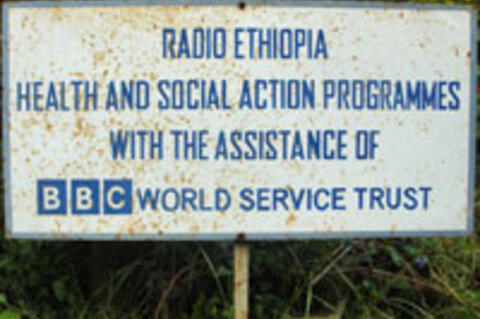
This project involved several communication components, including a radio discussion programme, PSAs, mini-dramas, listeners clubs, media training, research, and partnerships with local schools and the national radio station, Radio Ethiopia.
The discussion programme, Abugida, was broadcast twice weekly and, according to the BBC World Service Trust, provided young Ethiopians with the opportunity to voice their opinions, pose questions, discuss solutions, and establish a dialogue with other young people on a range of sexual health issues. It was meant to be "hip and provocative". A key component of the programme was the fan letters, which reportedly poured in and provided inspiration for the content of the show. Every letter was considered for use on the air and every one received a reply in the form of a postcard signed by each member of the production team, thanking them and explaining that even if the specific question is not used, all questions and comments would inform the content of future programmes.
The Abugida PSAs and mini-dramas also dealt with a range of sexual and reproductive health issues, and complemented the discussion programme. Both the discussion programme and the PSAs were broadcast in 2 local languages, Amharic and Afan Oromo.
As part of the project, 73 listeners clubs were set up in collaboration with local non-governmental organisations (NGOs) across the country. They intended to provide a space for young people to gather, listen to Abugida, and discuss the issues together with a facilitator who mediates discussions. According to the organisers, these listeners' groups became very active, and members frequently used their own money and time to introduce new listeners, organised events like coffee ceremonies and quizzes to promote sexual health, and travelled to rural areas with cassette tapes of the programme to share it with more isolated communities.
The Trust also worked with schools to broadcast short, 15-minute versions of the discussion programme during break times. This strategy was informed by the observation that many schools in Ethiopia have their own broadcasting systems, making it easy for them to broadcast programmes for learners. BBC World Service Trust undertook a pilot project with 10 schools.
In addition to partnerships with schools, the project also developed partnerships with Radio Ethiopia. Every 6 months, 4 producers from the station were invited to work on the radio programme, where they could develop their skills and make their own contributions. The Trust also provided media training to Radio Ethiopia staff - both producers working on the Trust's programmes, and other staff. As part of the initiative, they also trained journalists and NGO staff on how to communicate about sexual and reproductive health issues to young people.
Youth, Reproductive Health
As part of project development, the Trust trained local researchers to carry out interviews and focus groups with young people across Ethiopia. The information gathered - about how young people in Ethiopia consume media and about their knowledge and attitudes around sexual and reproductive health - helped the production team develop programmes that were intended to be relevant and appealing to the intended audience. According to the organisers, the research also revealed a lack of knowledge of sexual and reproductive health, particularly about the effects of female genital cutting.
According to the Trust, Abugida received between 100 and 250 letters every week, and listeners said the programme helped them make informed decisions about their own health and sex life.
BBC World Service Trust is currently looking into ways in which the listeners clubs can be further supported with outreach training and resources.
BBC World Service Trust website on September 2 2008; and BBC World Service Trust website on February 1 2010.
- Log in to post comments