










































SSDI-Communication Project
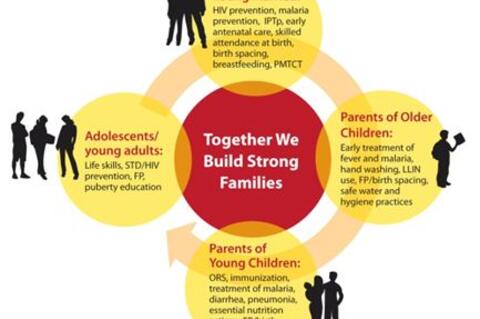
The overall project goal is that by 2015, families are better able to advocate for their own health, are practicing positive health behaviours, including timely use of Essential Health Package (EHP) services, and are engaging with a responsive health care system. The project has identified the following key strategic objectives toward these goals:
- Strengthen national and targeted district level SBCC planning and coordination on EHP priorities applied across health and resulting synergies;
- Develop and produce evidence-based SBCC packages under a multi-level media campaign to support effective, integrated SBCC implementation through mass media and facility and community level;
- Build capacity of key national institutional partners and targeted district SSD-E partners for effective SBCC strategic planning and delivery through on-going technical assistance and monitoring on use of developed packaged interventions;
- Identify best practices for SBCC implementation through formative research, testing new innovative approaches and materials and operational research, where appropriate.
The project's focal districts include: Mangochi, Machinga, Phalombe, Nsanje, Chikhwawa, Kasungu, Dowa, Salima, Lilongwe (urban and rural), Chitipa, and Karonga.
Reproductive Health, Maternal Health, HIV/AIDS, Malaria, Child Health, Nutrition, Hygiene and Sanitation.
According to JHU-CCP, Malawi is struggling to meet the health needs of its estimated 13 million people. It has one of the highest maternal mortality ratios in the world, approximately 12% of 15-49 year old Malawians are HIV positive and malaria is endemic in 95% of the country. Yet there are also positive signs that Malawians are taking action to improve their health and those communities are responding to health challenges collectively.
Johns Hopkins Bloomberg School of Public Health Center for Communication Programs (JHU.CCP), Save the Children, and United States Agency for International Development (USAID).
JHU-CCP website and JHU-CCP website on August 7 2012.
- Log in to post comments