










































video4change Network
The video4change network consists of organisations around the world which use video for advocacy, campaigning, human rights documentation, and social change. The network was formed after a June 2012 event in Indonesia, co-hosted by WITNESS and EngageMedia, where attendees shared their experiences in working with communities - with video - to maximise social change. Having documented the event through the v4c.org wiki, the network has continued since then, with a focus on bolstering the work of video activists through information, communication, and research on impact of video for change.
video4change connects, informs, and activates its network via:
- The video4change website. This is a space to "blog about materials and resources on video activism, share the results and insights of the video4change Impact Research, and announce activities of the network." One can find, for example, links to manuals developed by video4change on different aspects of video advocacy, such as: Guide to Open Source Video Editing; Secure My Video (version 2.0); Hybrid Distribution; Video Making on Android; Guide to Independent Video Hosting; Effective Video on Low Cost Devices; Citizen Journalist Guide to Mobile Video; and Citizen Journalist Guide to Live-Streaming Video.
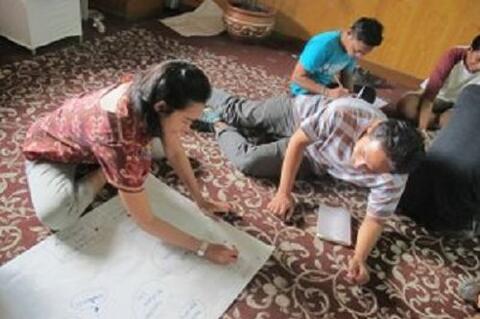
- In-person video4change gatherings. For example, WITNESS and their partners, SONKE and STEPS, co-organised a gathering of 25 video activists from Sub-Saharan Africa in Cape Town, South Africa, in March 2014. According to WITNESS, the gathering aimed "to create a space for video activists to share experiences, network, inspire and learn from one another and foster collaboration. Furthermore, we will support these activists and their groups to stay connected through the global V4C (Video-for-Change) network, as well as through our new regional Video-for-Change community." Other gatherings have included one in Mexico City, Mexico, and another in Yogyakarta, Indonesia, for local video activists and journalists.
- Research undertaken in collaboration with Tanya Notley, the MIT Center for Civic Media, and Open Documentary Lab. The goal: to gather lessons learned from the member video4change members on the impact of video advocacy and the assessment of such impact. (See Related Summaries, below)
Human Rights.
Reflecting on the Indonesia gathering, organisers say: "We gathered video makers from different backgrounds with varying level of expertise. This became a plus point for us because there provided diverse perspective to the discussions. But it also posed a challenge, however, as they had different level of understanding and awareness about video its use in advocacy. So, instead of going deep into discussion about impact, we had to start with an open forum to ensure everyone understood basic concepts. Our recommendation for other such gatherings would be to start with basic discussions about video, advocacy and impact at the very beginning so everyone is familiar with the concepts and terminology."
Funded through support from Open Society Foundations, Hivos, Internews Europe, and the Oak Foundation.
Email from James Hotham to The Communication Initiative on November 3 2013; and video4change website, May 6 2014.
- Log in to post comments