










































Soul City Southern African Regional Programme for Border Populations
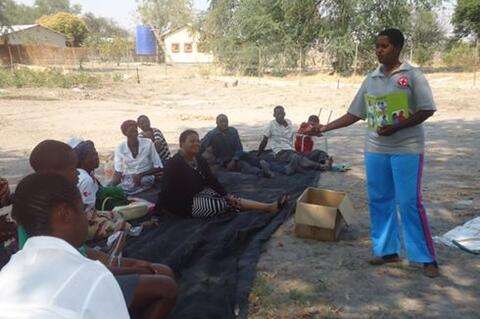
As part of their communication strategy, the project partners in Namibia, Malawi, Zambia and Zimbabwe are engaging in the following activities at selected border posts:
Development of Sexual and Reproductive Health and Rights (SRHR) pamphlets for sex workers at borders
Audience research and pre-testing of pamphlets took place through focus group discussions and in-depth interviews with sex workers at border areas. Partner organisations also conducted stakeholder consultations in order to identify the relevant topics, information gaps, and information needs of sexworkers. Interviews were also conducted at regional level with the Sex Worker Education and Advocacy Taskforce (SWEAT) and also the Southern Africa Litigation Centre (SALC). Country partners also conducted interviews with national sex worker advocacy organisations and relevant government ministries. This helped in giving a better understanding of issues that affect sex work at both national and regional level. Particularly important was information on how to engage sex workers through their peers, type of language to use, and type of materials that appeal to sex workers. According to the implementing partners, engaging these organisations and governments built synergies that facilitated opportunities for further collaboration. The booklets will be ready for distribution in early 2014.
Production of audio materials for truck drivers
CD box sets with the OneLove radio drama stories - part of the Onelove regional campaign addressing risky sexual behaviour - have been produced in order to be distributed to truck drivers. The audio materials will also be made available on USBs to accommodate vehicles that have USB drives. Audience reception research with truck drivers is planned in the course of the project, which will help determine the impact, perceptions, and usage of the materials.
Set up of TVs and DVDs at wellness centres in borders areas
Television sets and DVD players have been set up in wellness centres at border areas in Namibia, Malawi, Zambia, and Zimbabwe (Beitbridge, Chirundu, Mwanza, Mchinji, Kasumbalesa, Caprivi Region, Walvis Bay). The location and set up is strategically targeted at community members, sex workers, and truck drivers. These will be used to play Untold Stories and Love Stories, two series of short films which were reproduced by Soul City and its country partners. These films are used for viewing sessions for mobile populations and community members at wellness centres at border areas. The country partners will also further distribute some of the copies to strategic partners such as government ministries and development partners for extended reach, visibility of the programme, and also to enhance future partnerships.
The DVDs are being screened during the day when community members are waiting to be helped at wellness centres and also after they have been helped. A community volunteer is often available to assist and also to record the number of participants during the viewing. During and after the viewing, community members engage in dialogue to discuss key issues that arise from the DVDs. Some of the key emerging issues that have been discussed include condom use, multiple concurrent partnerships, and the link to HIV prevention. In addition, viewing sessions are organised at each wellness centre targeting community members including sex workers and truck drivers.
Social mobilisation activities around border communities
Since April/May 2013, the Soul City partners have been using a community conversation toolkit developed by C-Change for ongoing community dialogues, meetings, and events for social mobilisation at border areas and nearby communities. So far a total of 291 community activities (dialogues, events and trainings) have been conducted at border areas in the 4 countries. These activities have been facilitated by community volunteers and peer educators who have been identified and trained by the country partners. Some of the key topics of discussions during the community dialogues include: correct and consistent use of condoms, seeking early treatment for sexually transmitted infections, impact of alcohol on sexual behaviour, and legal policies and rights that protect sex workers from abuse.
HIV, Sexual and Reproductive Health and Rights, Mobile Populations
The Soul City Institute for Health and Development Communication is partnering with organisations in seven Southern African countries to address SRHR issues affecting youth and mobile populations. The regional partnership focuses on the effective development and dissemination of social behaviour change communication at country level to create awareness of SRHR and its link to HIV. Activities also include work targeting youth such as TV and radio talks shows. The initiative also includes a knowledge management component, run by Soul Beat Africa, to collate and promote knowledge around SRHR in southern Africa (for more information see the Related Summary below).
Desert Soul Health and Development Communication; Pakachere Health and Development Communication; Action Institute for Environment Health and Development Communication (Action IEHDC), Zambia Centre for Communication Programmes (ZCCP), Soul City Institute for Health and Development Communication, Sweden and Norwegian Agency for Development Cooperation (Norad)
Email received from Tafadzwa Madondo, Soul City Institute for Health and Development Communication, on November 14 2013.
- Log in to post comments