










































A Malaria in Pregnancy Case Study: Senegal
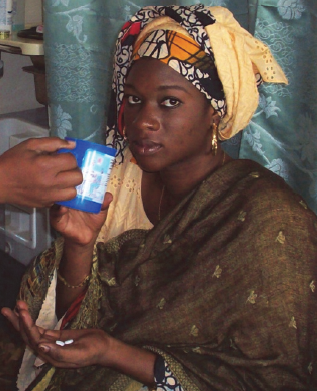
This 40-page case study shares findings and lessons learned from malaria in pregnancy programming (MIP) in Senegal, which is considered "high performing" in this area, and likely to have applied successful strategies or best practices that could potentially be adapted and replicated in other malaria-endemic countries. Conducted by the Maternal and Child Health Integrated Program (MCHIP), with support from the President's Malaria Initiative, the case study found that Senegal has achieved a moderate to high level of implementation of essential MIP programme components. Major strengths have been observed in the areas of integration, policy development and implementation, capacity building, M&E, and community awareness and involvement.
According to the case study, despite many challenges, from 2005 to 2010, Intermittent Preventive Treatment in Pregnancy (IPTp) uptake and the proportion of pregnant women sleeping under an insecticide treated nets (ITN) increased, signifying the effectiveness of MIP programming in Senegal. The report states that several of Senegal's innovations in programme development and implementation, which can serve as models for and be adapted to other country situations, stand out. These include the following:
- Development of a clear IPTp policy - The National Malaria Control Programme (NMCP) worked with relevant partners to formulate the IPTp policy that is being implemented throughout the health system. Backed by its own national-level research on parasite resistance to chloroquine, Senegal adopted the WHO three-pronged approach in 2003 regarding IPTp, use of ITNs, and prompt case management for pregnant women. The policy was translated into national service delivery guidelines, pre-service curricula, and in-service training materials. Information about the importance of IPTp and ITN use is implemented almost uniformly at public facilities.
- Integration of MIP with ante-natal care (ANC) - Because most Senegalese women attend ANC at least once, by integrating MIP with an established ANC programme, Senegal is reaching a high number of pregnant women earlier in their pregnancies.
- Significant progress in policies and logistics to maximise access to Sulfadoxine-Pyrimethamine (SP) - The NMCP works with the Central Medical Stores to quantify the correct amounts of SP required based on projected number of clients, pregnancy rates, and malaria prevalence. Providing SP for free to pregnant women increases their likelihood of receiving SP and can provide incentive to attend ANC for access to the full package of antenatal services.
- Involvement of community-based organisations (CBOs) and community health workers (CHWs) to increase access to MIP services - The NMCP works through CBOs and CHWs to reach pregnant women in the most remote areas with messages about the importance of attending ANC, taking SP, and using ITNs. CHWs are an important link between pregnant women and facilities, ensuring that women understand and access MIP interventions available to them through ANC.
- Overhauled M&E system with increased access to and use of MIP data for decision-making - Country-level expertise and awareness have been increased to understand how to strengthen routine health information systems and to improve data quality. The NMCP is able to produce an annual report that includes national data on MIP because of the data systems that are currently in place, including a database with facility-level information. Information is available and discussed at regular intervals to aid in programme decision-making.
According to the case study, Senegal has made a concerted effort to involve communities in malaria prevention and control activities. Community knowledge and understanding of MIP seem to be fairly strong through a variety of interventions. CHWs play an important part in raising awareness about MIP among women who may not otherwise seek care. The community health programme (CHP) has potential for national-level success, but is not without challenges, specifically ensuring quality and sustainability, which must be addressed as the programme expands. Instituting supportive supervision of health hut teams in rural areas, who are linked to health centres, help correct the recurrent problems with availability and use of referral forms by CHWs, incomplete patient registers, and tidiness and organisation of storage rooms. Supervision may not fully address the problem of drug stock-outs, but it can discourage the use of outdated medicines. Some areas that require further, significant strengthening include commodities, quality assurance, and financing. To ensure that 80% of pregnant women have access to the package of MIP interventions, the following actions are recommended:
- strengthen collaboration among the Reproductive Health Division, NMCP, and HIV Division to support coordinated policies and activities develop a simplified orientation package on the key elements of MIP policy and guidelines for rapid dissemination to providers;
- continue to invest resources in training CHWs as part of a strategy to educate pregnant women on MIP and increase adherence to IPTp and use of ITNs;
- develop capacity for on-site supportive supervision and self-assessment to improve MIP services; and provide LLINs free of charge to pregnant women through rapid scale-up of the universal coverage strategy.
Click here to download the full case study ion PDF format in English.
Jhpiego website on March 15 2012.
- Log in to post comments