










































The Gender Roles, Equality and Transformations (GREAT) Project
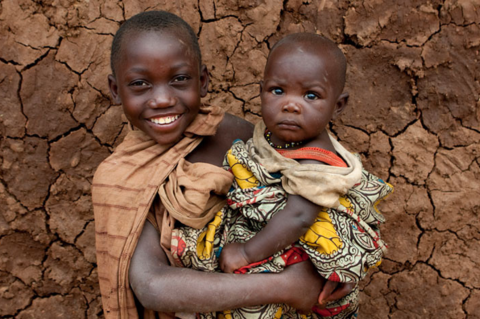
The Gender Roles, Equality and Transformations (GREAT) Project, led by Georgetown University’s Institute for Reproductive Health in collaboration with partners Pathfinder International and Save the Children, worked from 2010-2015 to improve gender equity and reproductive health in Northern Uganda. GREAT used radio drama, community mobilisation, and small group discussions to promote dialogue and reflection among adolescents, with the goal of facilitating the formation of gender equitable norms and the adoption of attitudes and behaviours which may positively influence health outcomes among boys and girls, aged 10 to 29.
In the first phase of the project, 40 life history interviews with adolescents and 40 in-depth interviews with adults who significantly influence adolescents were conducted to provide a contextualised understanding of how gender norms and attitudes are formed, what these norms and attitudes are, and how they are related to sexual reproductive health (SRH) and gender-based violence (GBV). Findings from the ethnographic research showed that cultural norms, influence on gender-related expectations and norms, and talk about gender roles required a serious intervention to change the set ideals and give way to safer social norms. The findings also showed that there was a lack of knowledge of sexual reproductive health and a culture of violence that needed redress. These issues were the focus of GREAT.
The first phase also included a programme review to identify evidence-based approaches and promising interventions to address adolescent SRH, gender norms, and GBV, which have the potential to be adapted in Northern Uganda. The key findings from the 61 successful projects found in the programme review are organised according to three topic areas, namely programme design, gender and violence, and scale-up. The results and principles distilled from the programme review informed the design and implementation of pilot interventions in the second phase.
Drama and toolkit
According to GREAT project organisers, programmes that work with adolescents on issues related to sexuality and gender should use approaches that account for different stages of cognitive development and the diversity of adolescent experiences. Programmes should employ age and life-stage tailored activities and use specific tailored materials and curricula. The GREAT project used radio drama to catalyse discussion and change. Once organisers had identified radio as an appropriate communication channel and selected local experienced scriptwriters/producers, they used Pathfinder's Pathways to Change, to integrate the findings from the ethnographic research, such as the value of addressing the concept of rebuilding community and revitalising culture in a more gender-equitable way. The drama was designed to present a nuanced and intergenerational story, pose challenging dilemmas, and generate reflection, questions, and dialogue among listeners. Specifically, 4 character trajectories were mapped to reflect a gradual process of change, with setbacks, consistent with the Stages of Change model. One example is Okiki, a 12-year-old boy facing gender inequality in his home and community. The radio drama was extensively reviewed at different stages by partners, community members, youth and the project's technical advisory group (TAG) based in northern Uganda.
GREAT project partners also developed a "Toolkit of Scalable Products [see related summaries]" which uses the same characters and themes as the radio drama, linking the two. The toolkit was rolled-out among small groups of adolescents in platforms common across Northern Uganda. As the foundation of these efforts is community mobilisation, the momentum around the radio drama and small group reflection is reinforced by collaboration with community, religious, and clan leaders. The project utilises a participatory process to engage key community and cultural leaders in generating change.
Scale-up
The review identified programmes that can be expanded through existing structures, such as public sector health services, schools, Girl Scouts/Guides, religious groups, and sports teams. By integrating interventions into platforms that exist across communities, districts, and countries, programmes can increase their usability, and scalability and ability to be replicated. This recommendation has been applied in designing the project's interventions, which will build on existing structures in the communities of Northern Uganda.
Sexual reproductive health, gender-based violence, gender roles
- Communities in the aftermath of social disruption and violence are striving to rebuild cultural and family structures, many of which socialise youth into adult roles as productive community members.
- Mothers, peers, elders, and neighbours were identified as influential in shaping gendered attitudes and behaviours in children and adolescents.
- Boys and girls reported feeling embarrassed or being teased by peers for bodily changes during puberty. As a result, they preferred talking about puberty with adults rather than peers.
- Study participants of all ages and sexes described an "ideal" man as one who protects and provides for his family. Likewise, participants agreed that an "ideal woman" is obedient and nurturing.
- Study participants reported that contraceptive use was infrequent in their communities, citing lack of male partner support, perceived negative side effects, and concern that use will cause marital discord.
- Participants reported that multiple forms of violence (verbal, emotional, physical and sexual) were common, and often linked to alcohol abuse. Violence is viewed as unacceptable or questionable when its primary purpose is not to teach or discipline, and when it is excessive, uncontrolled, or causes physical harm.
Georgetown University’s Institute for Reproductive Health, Pathfinders International, Save the Children
Great Project website on April 20 2012 and March 4 2016; and "Not Business as Usual: The Catalyzing Role of Gender Norm Transformation", by Rebecka Lundgren, February 9 2016 - accessed on March 4 2016.
- Log in to post comments