










































Africa Campaign on Disability and HIV and AIDS
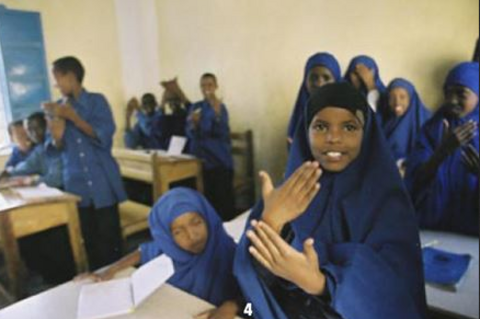
Launched in 2007, The Africa Campaign on Disability and HIV and AIDS is working to reduce the vulnerability of persons with disabilities to the impact of HIV and AIDS. Led by the Secretariat of the African Decade for Disabled Persons and Handicap International, the campaign brings together partners across the continent to work collectively for greater access and involvement of people with disabilities to HIV prevention and treatment. Through face to face discussions, advocacy, publications, and media, the campaign works to raise awareness and influence policy.
According to the Africa Campaign, persons with disabilities have poor access to HIV and AIDS information and services. Only 1 to 2% of disabled children receive an education, therefore most miss out on school-based education programmes. Low literacy rates among disabled women and men and difficulty with access to mass media messages for those with hearing, visual, or intellectual impairments also present challenges. Access to HIV testing is limited due to social and economic obstacles, problems of physical access, prejudicial attitudes, and misconceptions that disabled persons are not sexually active.
The campaign is intended to be a unifying umbrella under which disabled people's organisations, organisations of people living with HIV and AIDS, non-governmental organisations (NGOs), HIV and AIDS services organisations, researchers, activists, and other citizens work collectively to:
- achieve equal access for persons with disabilities in Africa to information and services on HIV and AIDS;
- undertake a coordinated response involving persons with disabilities in African countries to achieve inclusive national HIV and AIDS policies and programmes.
and
The Africa Campaign outlines their approach as the following:
- Generate an evidence base – Organisers say that much of what is known about how HIV and AIDS affects persons with disabilities is based on presumptions, reports, and anecdotal experience. There is a need for a solid evidence base with which to influence policy and change practice.
- Raise Awareness - Persons with disabilities in Africa have equal rights to access to HIV and AIDS information and services. Persons with disabilities, when included, can be an effective part of a coordinated response to HIV and AIDS in Africa. These are the key messages that Campaign partners are encouraged to communicate.
- Mobilise resources and turn political will into action - Pressure must be put on government decision makers and HIV and AIDS service providers to mainstream disability into their strategies and approach so that they become fully inclusive of disabled people.
- Capacity and skills training for effective advocacy - Persons with disabilities themselves should be at the heart of this advocacy initiative. The Africa Campaign recognises past and ongoing advocacy efforts that have made great gains for persons with disabilities across the continent.
- Build strategic alliances - Strong linkages with HIV-specialised groups, and especially groups of people living with HIV and AIDS, community-based organisations, AIDS services organisations, national and international NGOs, faith-based organisations, research institutions, and individual citizens are central to the Africa Campaign initiative.
- Develop AIDS competence - Persons with disabilities need to openly acknowledge that HIV and AIDS is an issue for them in order to protect themselves and to mobilise the support they need in their communities to maintain their health and wellbeing. The Africa Campaign supports the development of knowledge and skills to tackle HIV and AIDS through partners’ initiatives at the country and grass roots level.
The campaign was formally launched in January 2007 in Cape Town, where 70 participants from 17 countries agreed upon an operational structure, elected a Steering Committee, identified key areas of work, and formalised campaign objectives. In March 2008, a second Africa Campaign meeting in Kampala, Uganda, with the theme "Making 'Access for All' a Reality". Over 150 participants from 33 countries (23 African countries) met and produced the Kampala Declaration, which set out concrete measures for access to HIV information and services and full participation of persons with disabilities in the response to HIV across Africa. In April 2009, UNAIDS published its policy brief on Disability and HIV, which involved Africa Campaign partners in the consultation, drafting, and finalisation of the document.
The Africa Campaign website shares information about the campaign, good practice, research, challenges, and successes. The website is intended to serve as a communications platform and resource for Campaign partners, supporters, and other interested parties.
The campaign secretariat also produced a Communications Policy outlining how communications can help the Africa Campaign members and partners to achieve the objectives of the Campaign.
HIV/AIDS, Disability
Persons with disabilities in Africa are at equal or greater risk of HIV infection, compared to their non-disabled peers. For many, being disabled means that they are less likely to marry and more likely to have several sexual partners. Disabled women, girls and boys are also more likely to be victims of sexual violence. Other factors such as physical dependence, life in institutions and lack of access to legal rights, also make them particularly vulnerable to infection and abuse.
The African Decade for Disabled Persons, Handicap International
The Africa Campaign website and The Africa Campaign Brochure [PDF] on March 8 2013.
- Log in to post comments